

How to Open a Bank Account in Australia
Learn how to open a bank account in Australia: eligibility, documents, fees, and step-by-step process for residents, expats, and students.

Learn the different types of bank accounts in Bangladesh. From savings to current, FDR, DPS, and NRB—discover which one fits your lifestyle best.
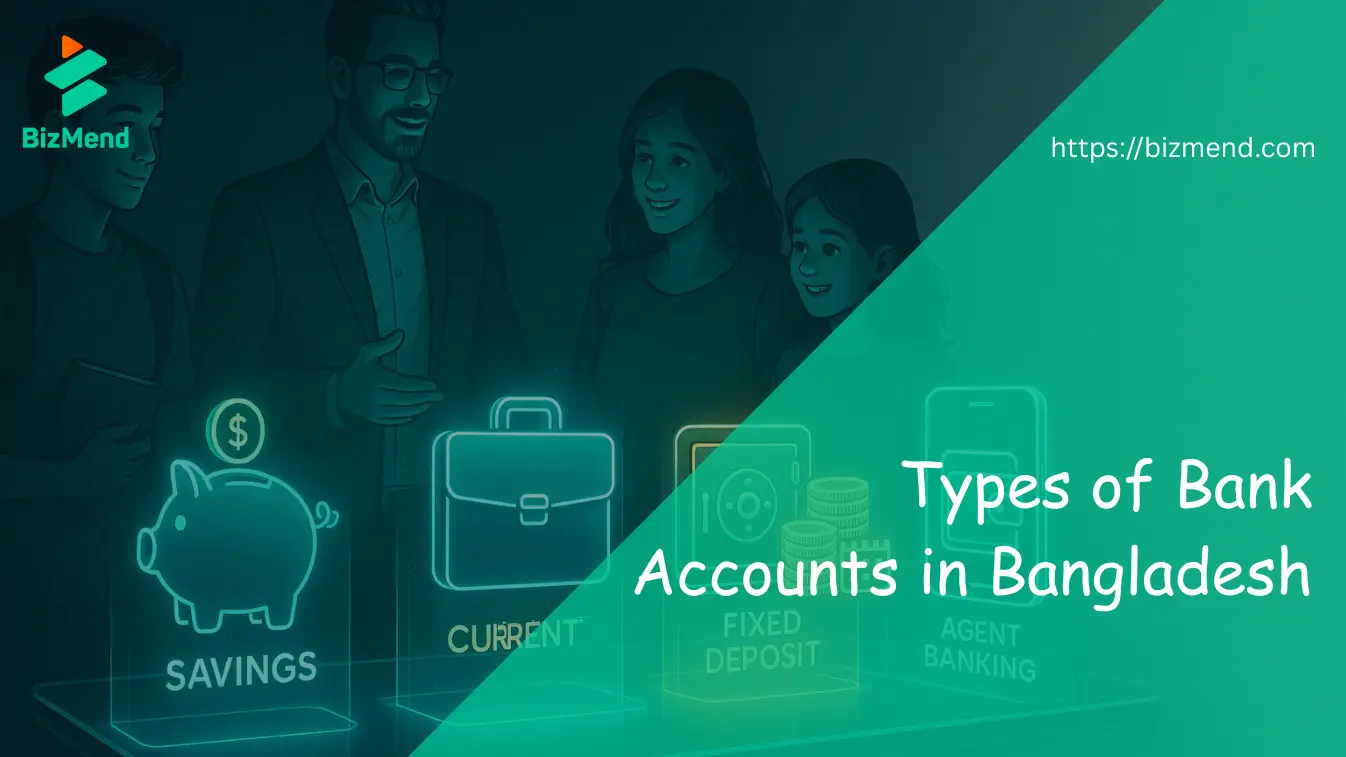
“Your bank account is more than a vault. It’s your financial fingerprint.”
So, which one is yours? A savings account holding your first paycheck? A current account juggling your business bills? Or maybe a DPS quietly building up your wedding fund?
Let’s be honest: banking in Bangladesh isn’t just about where you stash your money. It’s about what you need, how often you need it, and what doors you’re trying to open next. Whether you’re a student, entrepreneur, expat, or SME founder, you’ve got options. But which type of account actually fits your life?
This isn’t just a list. It’s a breakdown for real people with real needs. Let’s walk through the different types of bank accounts in Bangladesh that actually matter to you.
Before you walk into a bank (or tap through an app) and say, “I need an account,” you’ll want to know what kind you’re actually asking for. In Bangladesh, not all bank accounts are created equal. Some help you save, others help you spend, and some are built for businesses, deposits, or specific schemes.
Let’s take a look at the brief list of different types of bank accounts:
What It Is:
A savings account is the most common account for individuals. Think of it as your regular home for salary, remittance, or personal savings.
Who It’s For:
Key Features:
→ Ideal if you want to store, grow, and access your personal funds without using cash envelopes.
What It Is:
This is a non-interest-bearing account designed for high transaction frequency. You won’t earn interest, but you’ll enjoy flexibility.
Who It’s For:
Key Features:
→ If you’re setting up a company, say a private limited company or a small trade license-based venture, this is your go-to. Also, if you’re a foreigner setting up shop under BEZA or Hi-Tech Parks, this is the account your accountant will nag you to open.
What It Is:
This is where your money takes a nap, for a few months or years, and wakes up bigger. You deposit a lump sum and lock it for a fixed term.
Who It’s For:
Key Features:
→ FDRs are especially popular among NRBs (Non-Resident Bangladeshis) who want to invest money in a safe, interest-yielding option.
What It Is:
Unlike FDR, this one lets you deposit a small amount every month for a fixed period. It’s structured saving.
Who It’s For:
Key Features:
→ Great if you want to build a lump sum over time, without needing big upfront capital.
Different banks in Bangladesh offer specialized accounts tailored to certain groups or needs. Here’s a snapshot of popular ones:
Perfect for: Bangladeshis working abroad
Types: NRB Savings, NRB Current, NRB Fixed Deposit
Needed: Passport copy, VISA, work permit, or residency proof abroad
→ Relevant if you want to legally remit or save overseas income in Bangladesh.
Perfect for: Students above 18 (or even 15 in some cases)
Usually low or zero minimum balance required. Some banks offer free cards too.
Often comes with lower balance requirements, health or insurance perks. Banks like EBL, UCB, and BRAC offer female-exclusive accounts with special benefits: low fees, mobile banking, cashback, etc.
Better interest on savings, priority service, and sometimes health discounts.
Think of it like auto-saving for future-you. You won’t feel it go, but you’ll feel it grow.
→ Great for regions underserved by full branches. (And yes, Bangladesh Bank supports these under financial inclusion goals.)
What It Is:
Fully interest-free accounts structured around Islamic finance principles.
Perfect For:
Key Features:
→ These are popular across private and Islamic banks like Islami Bank, Al-Arafah, and Exim Bank’s Islamic wings.
These aren’t savings accounts, but are still opened once your loan is approved. Think of them as a channel to track your EMI, repayments, and due dates.
Common Loan Accounts
Common Features for Loan Accounts:
→ If you’re a foreign entrepreneur applying for credit, you’ll deal with a dedicated loan account, especially for capital repatriation or BIDA-approved loans.
Banking is no longer one-size-fits-all. It’s about whether you’re earning, saving, investing, or growing. You don’t open a “bank account” anymore. You open a lifestyle tool, a savings habit, a business partner, a loan shortcut, or a retirement cushion.
“Money sitting idle is just paper. Put it in the right account, and it becomes power.”
So now that you know the types of accounts, ask yourself, what kind of financial journey are you actually on?
Answer: Yes, absolutely. Many business owners use current accounts for transactions and keep a savings account for personal finances.
Answer: If you receive money from abroad (like Fiverr or Upwork), a savings account with inward remittance facilities or a NRB account is smart. Some banks also let you attach your bKash or Payoneer profile.
Answer: Yes, but usually non-resident accounts (NRB) are your best option. You’ll need extra docs like passport, VISA, and work permit or company registration.
Answer: Deposit accounts, especially FDRs, usually offer the highest interest rates, but require you to lock in your funds for months or years.
Answer: A current account, registered under your trade license or company name, is your gateway to legal banking for business.

Learn how to open a bank account in Australia: eligibility, documents, fees, and step-by-step process for residents, expats, and students.
Learn how to open a bank account in Pakistan: eligibility, documents, fees, and step-by-step process for residents, expats, and students.

Choose smarter with the Top 10 private banks in Singapore—ranked by AUM, digital maturity, awards, and local presence; compiled from…