

How to Open a Bank Account in Australia
Learn how to open a bank account in Australia: eligibility, documents, fees, and step-by-step process for residents, expats, and students.

Learn the requirements, steps, cautions, and real process to understand how to open a bank account in Bangladesh, whether you’re a local or foreigner.
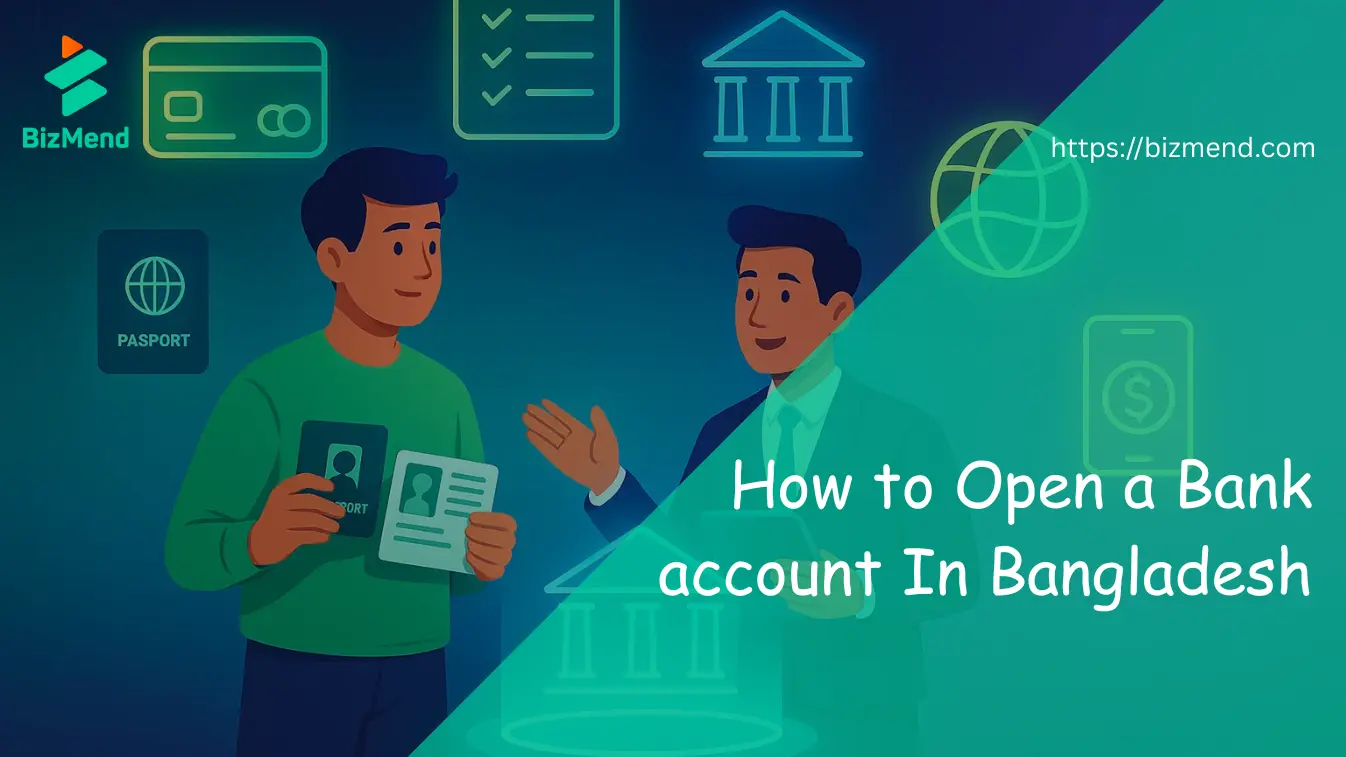
“A bank is a place that will lend you money if you can prove that you don’t need it.”
—Bob Hope
Okay, let’s not make this sound more fancier than it is. Opening a bank account in Bangladesh isn’t some secret art, but yeah, it does come with more paperwork than you’d probably expect. Especially if you’re not from around here.
So, whether you’re a student opening your very first savings account, a small business owner dealing with trade payments, or an expat trying to send money back home the proper way, this is for you. No complicated terms. No drama. Just clear, straight-up info on how to get it done.
We’ll go over what banks actually care about, how to pick the right one for your needs, and the common traps to skip. Because honestly, this isn’t just about showing up with the right documents; it’s about knowing whose desk to walk up to, and what to say when you get there.
Anyone over 18 with a proper ID. That includes:
If you’re here on a business visa, and thinking long-term (setting up an office or applying for BIDA approval), your bank account is one of the first compliance steps.
Each bank might call them something fancy, but most fall under these umbrellas:
Some banks like UCB, EBL, and City Bank offer InstaBanking, faster digital onboarding if you already have a TIN or e-KYC profile.
Here’s what most banks ask for:
For Bangladeshis:
For Foreigners:
Some banks may also ask for endorsement letters if your account is related to business.
If you’re opening a business account: Go with Sonali, Janata, or BRAC; they handle foreign trade and regulatory requirements better.
If you need digital banking: DBBL (Rocket), BRAC (Astha), and MTB (Smart) are ahead in app services.
For foreigners/NBR connections: Look into Eastern Bank, City Bank, and Prime Bank; they’re used to working with investors and can process foreign accounts with ease.
Also, consider checking the Red, Yellow, and Green Zone classifications by the Bangladesh Bank. Why? Because if a bank is in the “red,” you don’t want your salary or startup funds stuck in limbo.
Some banks, like EBL or UCB, even offer instant account numbers via app, though cheque books and cards still take time.
Yes, Bangladesh has full-fledged Islamic banking options if that’s your preference. And we’re not talking about side products either; there are dedicated Islamic banks (like Islami Bank Bangladesh PLC or Al-Arafah Islami Bank PLC) and Islamic wings within conventional banks (like EBL’s Islamic Banking, City Islamic from The City Bank, etc.).
And no, it doesn’t mean fewer features; these accounts can still support international cards, mobile apps, and remittance services.
Yes, minors can open bank accounts in Bangladesh, but always with a little grown-up backup.
Most banks allow minors (below 18) to open savings accounts with a parent or legal guardian as the joint holder or overseer. It’s often marketed as student banking or junior saver programs. Think BRAC’s Agami, EBL’s Junior, or UCB’s Youngsters’ Savings; these aren’t just piggy banks with interest, but also early lessons in financial independence.
So, if you have a youngster who just passed their O-levels or received a scholarship, starting an account may be a better gift than a new and trendy phone.
Opening a bank account in Bangladesh isn’t a Herculean task, but it does require you to be prepared and patient. And the more “foreign” your identity or intention is (especially if you’re setting up in BEZA or applying for BIDA clearance), the more essential your account becomes.
A good bank account in Bangladesh doesn’t just hold your money. It opens the door to investment registration, SME loan eligibility, tax filing, and even property purchase for some foreign citizens.
So choose wisely. It’s more than a signature; it’s your first move.
“If you don’t control your money, someone else will.”
— Dave Ramsey
Answer: Yes, actually. Though not all banks allow it. Some may require a local address or an active work permit. However, if you’re setting up a business or have ties via BIDA, you can often open a foreign currency or local account.
Answer: For personal accounts, sometimes yes, especially at state-owned banks. For business accounts, always. Your introducer is usually your local partner, lawyer, or an authorized official from your office.
Answer: Some private banks like EBL and Prime Bank offer partial digital onboarding. But eventually, you’ll need to verify documents in person or via courier. Full eKYC options are coming, but not mainstream yet.
Answer: If your papers are ready and the branch isn’t packed, you could walk out with an account in a single day, especially with private banks like City or EBL. But in reality? It depends. For NRBs or foreigners, it might take 2–5 working days due to verification or approval delays. Add more time if it’s a government bank, or if you’re applying in a rural branch. Either way, don’t walk in 30 minutes before closing. Trust me.
Answer: Typically:
Sometimes, an NOC from your employer or a Bangladeshi national as an introducer.
Answer: From experience and research, City Bank, EBL, BRAC, and UCB stand out. They understand foreign compliance and tend to support account setup better for expats and investors.
Answer: No, not really. Having a job might speed up the KYC process or provide access to salary-based products, but it is not actually required. Students, homemakers, freelancers, and even tourists can open certain types of accounts. You’ll just need to show a valid purpose and supporting documents. Some banks will ask for a tax certificate, some won’t. It’s not about employment, it’s about traceability.

Learn how to open a bank account in Australia: eligibility, documents, fees, and step-by-step process for residents, expats, and students.
Learn how to open a bank account in Pakistan: eligibility, documents, fees, and step-by-step process for residents, expats, and students.

Choose smarter with the Top 10 private banks in Singapore—ranked by AUM, digital maturity, awards, and local presence; compiled from…