

How to Get EIN Without SSN or ITIN
Yes, you can still get an EIN even if you’re a non-resident without a Social Security Number or ITIN, and…

“Laws are like cobwebs, which may catch small flies, but let wasps and hornets break through.” — Jonathan Swift This post covers the Legal Requirements for Starting a Business in...

“Laws are like cobwebs, which may catch small flies, but let wasps and hornets break through.”
— Jonathan Swift
This post covers the Legal Requirements for Starting a Business in India, so you can move beyond paperwork to genuine market entry.
In India, the law doesn’t aim to block you—it wants to understand if you’re serious.
If you’re a foreigner planning to start a business in India, know this: you’re not filling out forms; you’re initiating a relationship.
It’s a country that doesn’t just ask for compliance—it expects intention. From the chai seller on the corner who’s been filing taxes longer than your startup idea has existed, to the government portals that challenge your patience—it all works, once you understand the rhythm.
This isn’t just about legalities. It’s about showing India that you’re here to stay—not just to scale. So, let’s explore all the top legal requirements for starting a business in India as a foreigner.
Before you even touch a form, decide on your vehicle. In this blog’s case, determine the legal structure first.
If you’re a foreign company looking to own 100% of your Indian business, this is your go-to option. A WOS or Wholly Owned Subsidiary is simply a Private Limited Company in India where all shares are owned by the foreign parent company.
If you’re wondering how to start a company in India in general, or how to establish a company in India as a foreigner—this is your first decision.
No Indian company can be born without one crucial presence—someone who lives and breathes India. It’s not symbolic. Not optional. Not for show.
You must choose and appoint at least one resident director before incorporating a company. This isn’t just a checkbox—it’s the system’s way of keeping you grounded in local soil.
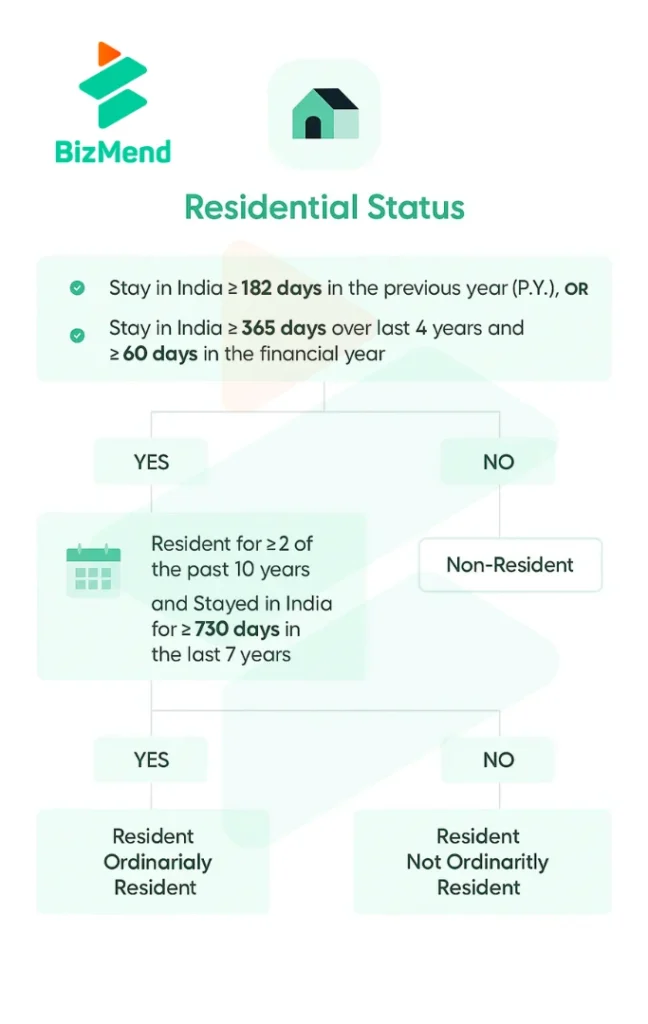
According to Section 149(3), Companies Act 2013, there are two accepted conditions. Your director must meet either one:
And no—you can’t fake this with a vacation selfie from Varanasi airport. The Registrar checks.
Both can be applied for through the MCA Portal
India doesn’t just allow foreign money—it curates how it enters.
If you’re a foreigner planning to invest in or start a business in India, understanding the FDI framework is non-negotiable. It’s not just a rule—it’s a ritual of permission.
FDI in India flows through two channels:
No prior government approval required. You simply bring the money in, report it, and file the necessary forms.
Most sectors like:
…fall here.
Prior approval from the concerned ministry is required. This includes:
If your business falls here—pause, consult, and prepare for more paperwork.
As a foreigner, you can invest in India by:
Example: LLPs are allowed in sectors like consulting, education, MRO aviation services, and greenfield infrastructure.
Once your company is incorporated and you receive foreign investment (even a small share subscription), you are legally required to:
Missing this timeline isn’t just an oversight—it can result in fines of ₹500,000 or more, plus interest and compliance action.
SPICe+ is the government’s one-stop shop for:
All filed online via the MCA portal.
What you’ll need:
Every company in India must be tax-visible, even with ₹0 in turnover.
You need:
After incorporation, open a current account with an RBI-compliant bank (ICICI, SBI, HDFC, etc.)
If FDI is involved:
India is welcoming—but it’s also precise. If you’re coming here to explore, incorporate, or operate a business, you must enter on the right visa. This isn’t optional—and using the wrong one (like a tourist visa) can get your business application flagged or outright rejected.
Here are the 3 acceptable visa types for foreign business founders:
Never use a Tourist Visa to start or run a business!
India treats visa misuse seriously—and you won’t get a second shot if you start on the wrong foot.
You can check current visa categories and eligibility in the Indian eVisa Portal or detailed info in the MHA official visa page.
Even with ₹0 income, compliance is not a choice—it’s a requirement for starting or operating a business in India.
Mandatory:
Late fees start at ₹100/day per form. And yes, MCA has strike-off powers!
Starting a company in India as a foreigner comes with its learning curve. And while enthusiasm is great—oversights are expensive.
Here’s what trips up most newcomers:
Yes, FDI is allowed—but filings, documentation, and reporting? Still very much manual.
If you don’t file FC-GPR within 30 days, you’re not just out of compliance—you’re in violation.
One selfie in Goa doesn’t count. Your resident director must legally qualify—down to the day count.
Delayed GST or TDS filings = daily fines. And no, your startup status won’t protect you.
This is a serious red flag. A Business Visa or Employment Visa is required—period.
Not every business can be an LLP. FDI-linked performance conditions change the rules entirely.
No YouTube guide or global playbook replaces an Indian CS, CA, or legal pro who knows the local pulse.
Quick Heads-up: Even one missed filing or wrongly structured entry can delay your business by months or worse—get you blacklisted.
India won’t hand you the key—you’ll earn it.
Respect the paperwork, but also read the silences. Behind every form is a rhythm. And behind every rule, an invitation.
If you truly want to succeed here, don’t just focus on the legal requirements for starting a business in India as a foreigner—understand the cultural ones too. Compliance gets you the license. Connection gets you the momentum.
“In India, you don’t conquer the system.
You learn to move with it—like a monsoon river finding its way.”
So come prepared—not just to start a business as a foreigner—but to build something meaningful, rooted, and enduring with India, not just in it.
No, a foreign company must register its business in India to operate legally. This can be done by setting up a liaison office, branch office, or incorporating a subsidiary company. Operating without proper and required registration can lead you to legal complications.
Yes, you can. Most sectors allow 100% foreign ownership, so you don’t need an Indian partner unless you’re entering a restricted sector. However, Indian law still requires at least one resident director on your company board.
No, you don’t need to be physically present full-time. But you do need at least one Indian-resident director, and certain processes (like opening a bank account or setting up GST) may require local coordination.
Quick Tip: Many founders manage their companies remotely using reliable consultants and compliance officers.
There’s no minimum capital requirement for a Private Limited Company. You can start with even ₹1 as authorized capital. However, if you’re bringing in Foreign Direct Investment (FDI), practical setups usually start with at least USD 1,000–10,000 to meet operational and reporting expectations.
A Private Limited Company (Pvt. Ltd.) is the most popular and flexible structure for foreign entrepreneurs. It allows 100% foreign ownership, protects liability, and is widely accepted for funding and contracts.
To start a business in India, you’ll typically need:
If your documents are in order and you’re working with professionals, the registration via SPICe+ can take 5 to 15 working days. Factors like name approval, DIN/DSC delays, and compliance checks may stretch timelines slightly.
After getting your Certificate of Incorporation, you usually need to:
Yes, if a foreign company earns income in India or has a business connection, it is obligated to file an income tax return in India. This includes income from sales, services, or any other business activities conducted within the country.
Yes. You need to provide a registered office address within India for legal communication. It must be a physical location (not just a P.O. box), and you’ll need to submit proof of ownership or a rent agreement.
Absolutely—India allows full repatriation of profits, dividends, and capital, as long as you’ve:
In most sectors under the automatic route, you don’t need prior approval. But if you’re from a bordering country (like China, Pakistan, Bangladesh), or entering a restricted sector (like defense, telecom, or multi-brand retail), then government approval is mandatory.

Yes, you can still get an EIN even if you’re a non-resident without a Social Security Number or ITIN, and…

Learn how to open a bank account in Australia: eligibility, documents, fees, and step-by-step process for residents, expats, and students.

Learn how to open a bank account in Pakistan: eligibility, documents, fees, and step-by-step process for residents, expats, and students.